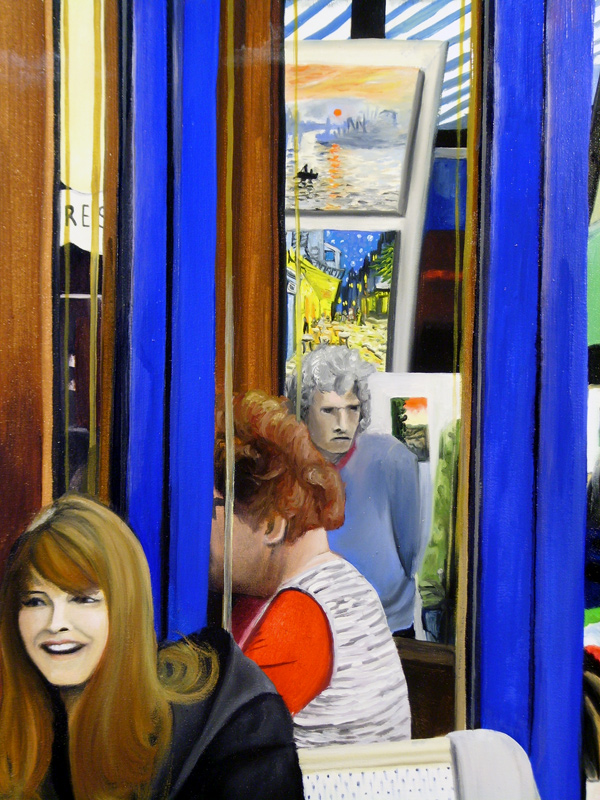
The paintings of Vincent van Gogh were my first major influence as a young man growing up in Washington, D.C., when I first started painting at the age of sixteen.
I was lucky to live there. I was able to see his paintings in person at the National Gallery of Art and at the Phillips Collection.
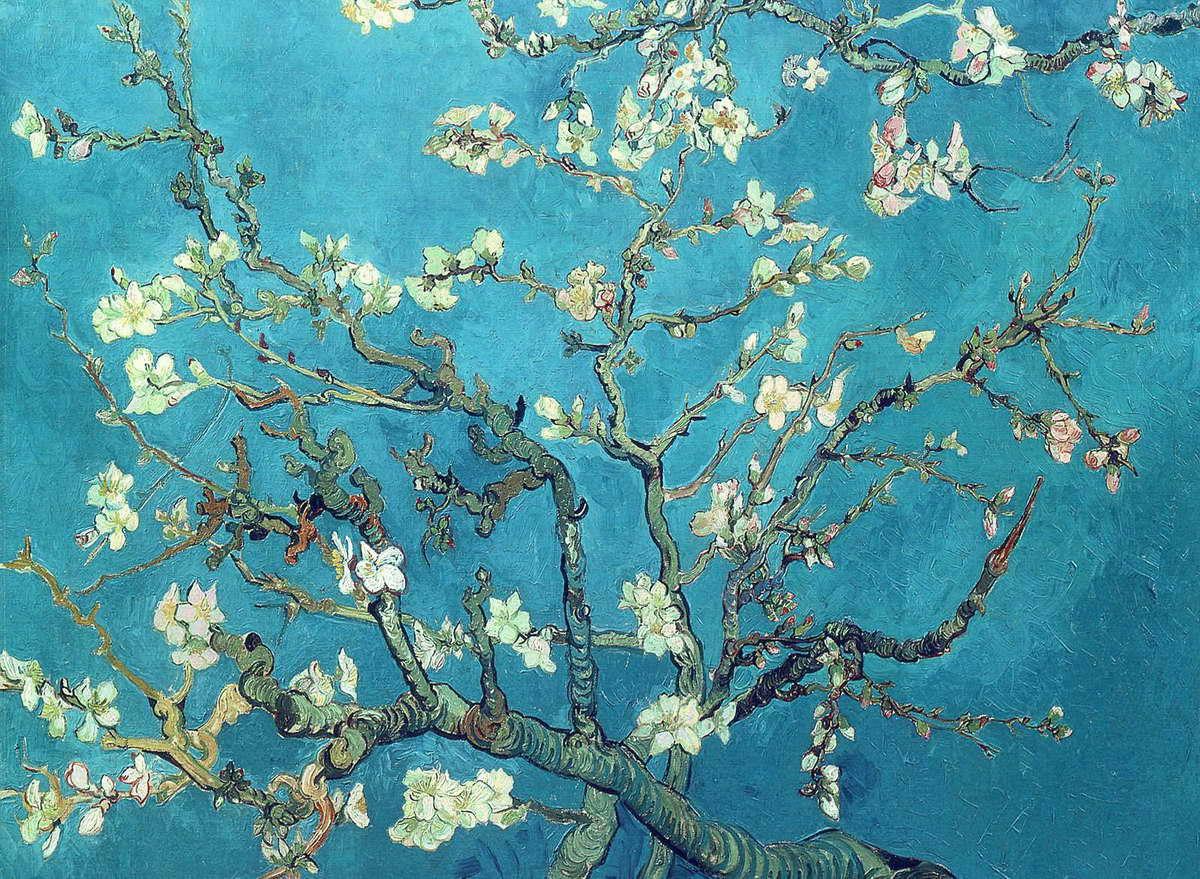
My passion for his work was intense. I think it was his use of color, so fearless, so direct, the vibrancy of his palette, that drew me in.
On St. Patrick’s Day in 1988, I went to New York City for the day to see a major exhibition of his paintings. I took the train by myself. I can’t remember why I went alone, but I managed. I was only seventeen. I remember walking from Penn Station up Fifth Avenue to the Met.
When I entered the exhibition, I was overwhelmed. I thought I might have to leave. Instead, I sat down and let it wash over me.
Especially when I saw The Starry Night. It was right there in front of me.
The exhibition was vast. There must have been seventy paintings. Van Gogh had just become a superstar, breaking records with the sale of his work. I will admit that I was caught up in the energy surrounding it.
But I think it was something more.
Later that year, I traveled to Holland, where I visited the Van Gogh Museum in Amsterdam, and a small, almost hidden gallery in the middle of the Dutch forest that held around fifty of his paintings.
It was important for me to see where he came from.
It is striking what he was able to break free from. The Dutch tradition of painting is deeply rooted in realism and, with the exception of some of Rembrandt’s later work, not especially painterly.
By painterly, I mean the generous, expressive use of paint itself, where the surface becomes physical, where the brushstroke is visible, and the canvas carries the weight of the gesture.
Of course, Van Gogh was also connected to some of the great visionaries of the late nineteenth century. His time in Paris was, I think, particularly influential. On that same trip that summer, we visited Paris as well, and my understanding of his work deepened.
When I was twenty, I moved to Florence, Italy, where new artistic influences began to take precedence over my earlier fascination with the Impressionist and Post-Impressionist movements.
It is difficult not to be overwhelmed by the Renaissance. It is so complete, so all-encompassing, especially when compared to the more fleeting nature of the art world that Van Gogh inhabited.
For a long time, I immersed myself in the study of Michelangelo, Leonardo da Vinci, Raphael, and the other great masters of Italy.
It was a necessary shift. It gave me a strong foundation on which to stand as a painter of our time.
I think that, as I grow older, I am deeply drawn to who I was in my youth.
There is a kind of subconscious influence that carries forward from that time, when I was more open, more receptive. And what is more innocent than the art of Van Gogh?
He painted without concern for financial gain. There is something almost childlike in his freedom, a sense of wild openness.
When I look at a Van Gogh, I think of what it must be like to see the world as a child, without fixed reference points. His subjects seem to glow, as if seen through glass, shimmering with a kind of inner light.
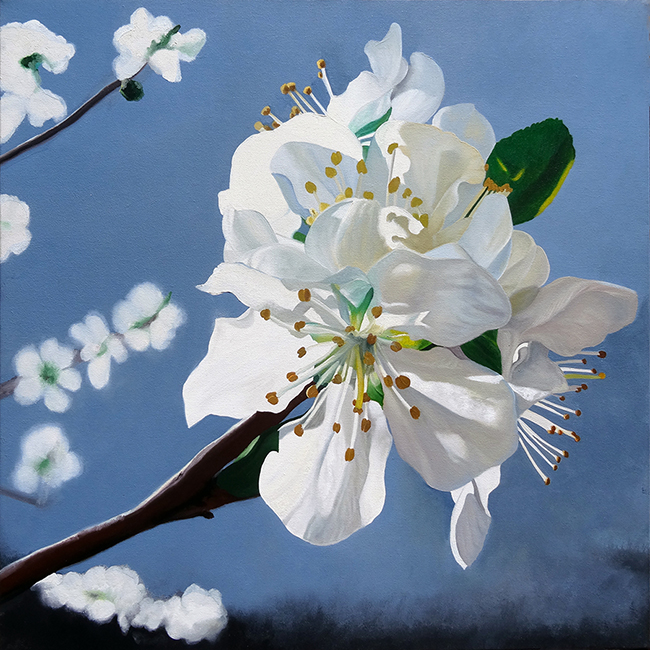
Now, after many years, I realize that my passion for his work has not faded. It has simply changed form.
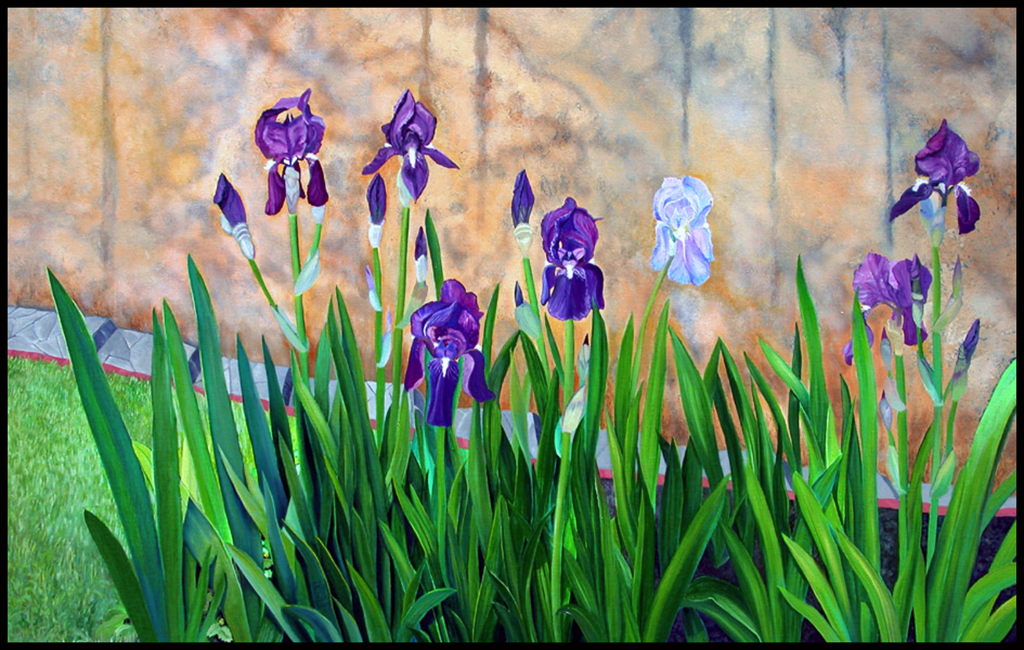
_Caf%C3%A9terras_bij_nacht_(place_du_Forum)_Kr%C3%B6ller-M%C3%BCller_Museum_Otterlo_23-8-2016_13-35-40.jpeg)